
Reviewed · ST LUCIA
Castries City Walking Tours
Castries City Walking Tours puts you inside the daily life of St Lucia’s capital, beginning at its Food Market. You’ll see local produce, spices, and fruit, then walk through parks and streets shaped by colonial rule, fire, religion, and political change. It is a small-city tour with a local focus, not a grand parade of old buildings.
I like the private format, since your guide can adjust the pace and answer family-history questions, as one guest did while tracing a grandfather’s connection to Castries. I also like the human side of the tour: guides such as Schelly, Georges, and Ricardo bring stories about St Lucia’s Nobel winners, food, and public figures to the walk.
The main drawback is clear: Castries has suffered destructive fires, so little of the old city remains intact. If you want forts, mansions, and preserved colonial streets, this may feel thin. You are paying for explanation and local context more than for a long list of surviving monuments.
Key points to know before you book

- Castries Market comes first: Allow about an hour to explore produce, spices, fruit, and the city’s everyday trading life.
- Two Nobel Prize winners shape the story: Derek Walcott Square provides a useful introduction to St Lucia’s unusual record of literary and economic achievement.
- The tour is private: Only your own group participates, which makes questions and pacing easier.
- Guides make the difference: Schelly, Georges, and Ricardo are among the named guides praised for clear stories and a friendly manner.
- Expect a short urban walk: The experience lasts about 90 minutes to two hours and returns to the starting point.
- Food sampling needs checking: Bottled water or fresh coconut water is included, but the standard tour details say substantial food sampling belongs to the Taste of St Lucia or combination tours.
Start with Castries Market, where the city makes sense
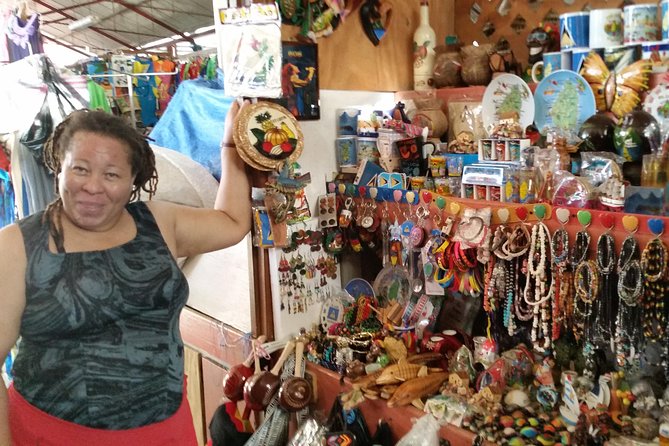
The tour begins at 55 John Compton Highway and heads into Castries Market. This is the strongest part of the walk for many visitors because it gives you something to see, smell, and discuss at once.
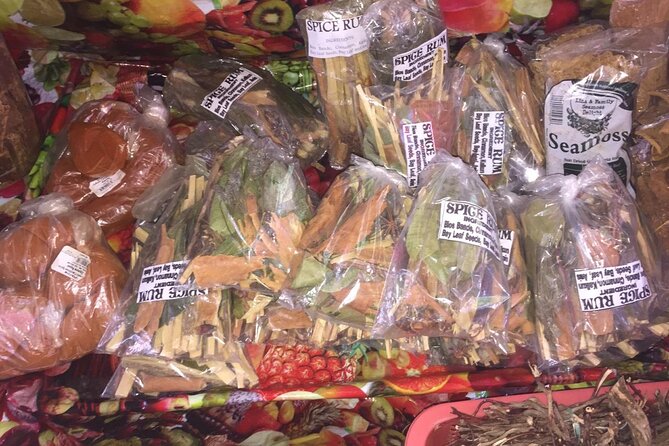
The market was once rated by National Geographic among the world’s top ten food markets. That distinction is useful, but the real value is more direct: you can look at the produce St Lucians use every day and ask what it is, how it is prepared, or what local uses it has.
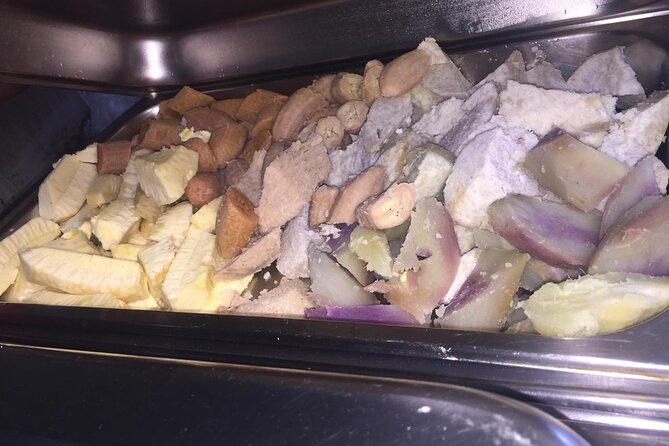
Plan on about one hour here. Your guide can point out unusual fruits, vegetables, and spices that you might otherwise pass without noticing. Schelly is particularly praised for explaining local produce and its medicinal uses, while other guides have taken time to introduce local food and restaurants.
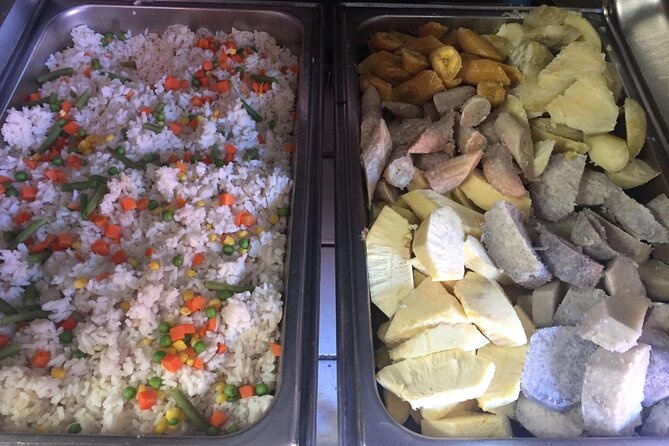
Be careful with the word tasting. The tour includes bottled water or fresh coconut water, but the supplied details also state that food sampling is part of the separate Taste of St Lucia food tour and food combination tours. Some experiences described by participants included authentic food and market tastings, so check exactly which product you are booking. If you want a food-heavy outing, choose the combination option rather than assuming this history walk includes a full meal.
The market also gives you a practical chance to shop. The final market stop allows time to explore, buy something, or eat, although the exact balance between shopping and guided sightseeing will depend on your group and guide.
Other trips people book around St Lucia:
- St. Lucia Land and Sea Tour
★ 4.5 · 1,730 reviews - ATV Tour in St Lucia
★ 5.0 · 1,021 reviews - St Lucia Customize Private Island Tour
★ 4.5 · 619 reviews
Derek Walcott Square connects Castries to St Lucia’s wider story
After the market, the tour spends about 30 minutes at Derek Walcott Square. The square is more than a green pause in the walk. It introduces the people who shaped St Lucia and explains why this small island has produced two Nobel Prize winners.
Derek Walcott won the Nobel Prize in Literature, while Sir Arthur Lewis won the Nobel Prize in Economic Sciences. The tour uses the square and its bust of Walcott to explain the people behind the names, rather than treating them as decoration.
I like this stop because it broadens the picture of St Lucia. A short city walk can easily become a list of churches, markets, and colonial buildings. The Nobel Prize story gives you a better sense of the island’s contribution to literature and economics, and it puts Castries into a larger Caribbean setting.
Guides may also use photos, murals, and public art to fill in what the streets no longer show. Ricardo is praised for making these details fun as well as informative. That approach matters here because the city’s surviving visual record is scattered rather than concentrated in one major museum.
Bideau Monument and Park offer short but meaningful pauses
The Monument of Jean Baptiste Bideau receives about five minutes, followed by another five minutes at Bideau Park. These are brief stops, but they add a person and a place to the political story of St Lucia.
You will learn about Bideau’s role in local history, then see the park connected with his name. Do not expect a long museum visit or a large monument complex. The point is to place a figure from St Lucia’s past on the actual city map.
This is where a guide earns the fee. Without explanation, a bust or monument can be easy to ignore. With context, even a five-minute stop can help you understand how public memory works in Castries.
The park sections also break up the market and street walking. The route includes greenery and flowers, according to the tour details, so these pauses should feel less like a lecture and more like a chance to slow down and look around.
Holy Trinity Anglican Church adds a religious layer
Holy Trinity Anglican Church is highlighted as a place to understand the religious influence on St Lucia. The supplied itinerary does not assign it a separate timed stop, so its exact treatment may vary. Still, it is an important part of the tour’s stated purpose.
Religion helps explain the island’s colonial past and the presence of European powers. A church visit can also show how imported institutions became part of local life. You may receive more than an architectural description, with the guide connecting the building to St Lucia’s religious and social development.
Do not expect a grand cathedral tour based on the information available. The value is in the setting and the explanation. If church interiors or formal religious sites are especially important to you, ask at the start how much time the route will give this stop.
Same island, a different sort of day:
- St Lucia Full-Day Catamaran Sightseeing Cruise With Snorkeling
★ 4.5 · 592 reviews - St Lucia Diamond Mineral and Mud Baths Plus Waterfall Adventure
★ 5.0 · 589 reviews - Rainforest Hike and Waterfall Safari
★ 5.0 · 567 reviews - Wow Tours St. Lucia (COVID-19 Certified)
★ 5.0 · 514 reviews
Colonial history without a preserved old town
The tour explores Castries’ colonial past and the influence of European powers, but you need to set your expectations carefully. Fires have destroyed much of the city’s visible older architecture. You will not be walking through a perfectly preserved colonial quarter filled with castles, manor houses, forts, and museums.
That limitation is not a minor detail. Two people who took the history route found the lack of surviving buildings disappointing, while another person valued the information and the chance to connect the streets with family history. Both reactions make sense.
I would book this walk if I want to understand what happened in Castries, how the city is arranged, and which people shaped it. I would skip it if my main goal is to photograph grand historic buildings. Much of the experience depends on the guide’s ability to turn ordinary streets, murals, parks, and monuments into a clear story.
The private format helps. With only your group participating, you can ask why a street has its name, how the fires changed the city, or how colonial influence still appears in public life. A large group would make this kind of conversation harder.
The guides are the heart of the experience
The named guides in the feedback include Schelly, Georges, and Ricardo. Their styles may differ, so the guide assigned to you can shape the day.
Schelly receives especially strong praise for her Caribbean history, friendly manner, and ability to explain local food. She is described as attentive and open to discussion. If you enjoy asking questions and comparing different points of view, that style should suit you.
Georges is described as patient and well informed, with a talent for making Castries and St Lucia’s past easier to understand. He has also led tours that included food tasting. Other comments were less positive about the history route with him, so expectations and guide performance may not be perfectly consistent.
Ricardo is noted for interesting facts, pictures, murals, parks, and greenery. He appears to bring a lighter tone to the walk, which can help if you are traveling with children or prefer history in short, lively pieces.
One guide was criticized for focusing too much on personal views about St Lucia. That is a useful warning. You want local perspective, but you also want the guide to stay focused on the city’s history and culture. Since the tour is private, politely steer the conversation toward the subjects you care about.
Is $35 good value for this Castries walk?
At $35 per person, the price is reasonable if you want a private introduction to Castries and value conversation with a local guide. You are not paying for admission to a major museum or a long list of preserved buildings. You are paying for about 90 minutes to two hours of interpretation, a market visit, bottled water or fresh coconut water, and a route that brings together food, public figures, religion, and colonial history.
The value rises if you are curious about local life. A guide can explain produce, names, monuments, Nobel winners, and public spaces in one compact outing. The private setup also means you are not sharing the walk with strangers, and your group can ask questions without waiting for a large crowd to catch up.
The value falls if you want extensive food. The standard inclusion does not promise a full tasting menu, and food sampling is specifically associated with the Taste of St Lucia and combination tours. If sampling is your main reason for booking, select the food option or confirm what is included before you pay.
Group discounts are offered, which may make the cost more attractive for families or larger parties. Private transport is not included, so you need to reach the meeting point yourself. Pickup is listed as offered, but the meeting point and transport details should be clarified when booking.
Timing, comfort, and practical details

The route lasts about one hour and 30 minutes to two hours and ends back at the meeting point. That makes it manageable before or after another Castries activity, though you should leave extra time if your group walks slowly or spends longer at the market.
The tour requires good weather. If poor weather cancels it, you can choose another date or receive a full refund. You can cancel for a full refund up to 24 hours before the start time. Cancellations or changes inside that 24-hour window are not refunded or accepted.
Bottled water or fresh coconut water is supplied. Wear comfortable walking shoes and carry sun protection, since the experience moves between market streets, parks, and open public areas. Those are sensible preparations for any city walk, but the supplied information does not specify the exact walking distance or whether every section is shaded.
Service animals are allowed, the meeting point is near public transportation, and most people can participate. The tour is private, so mention any mobility needs when arranging it rather than assuming the route can be changed on the day.
Who should book, and who should choose another tour?
I would recommend this experience to you if you want a short, personal introduction to Castries and enjoy learning through conversation. It suits first-time visitors, families, people interested in Caribbean politics and literature, and anyone who wants to see a working market rather than only cruise-port sights.
It is also a good choice if St Lucia has personal meaning for you. The walk through streets and public places can help you connect family stories to the city, even when the original buildings are gone.
I would choose the food combination tour instead if tasting local dishes is your top priority. I would also choose another activity if your ideal city visit requires grand colonial architecture, museums, or fortress ruins. Castries has a story to tell, but much of it survives in people, names, parks, murals, and explanation rather than intact buildings.
For most people, the best reason to book is the guide. Ask about the day’s guide, confirm whether you are taking the history walk or a food combination, and go in expecting a thoughtful local walk rather than a monument-heavy sightseeing tour. With the right expectations, $35 buys a useful first look at St Lucia’s capital.
FAQ
Where does the Castries City Walking Tour begin?
The tour begins at 55 John Compton Highway in Castries, St Lucia.
Where does the tour end?
The activity ends back at the meeting point.
How long does the tour last?
The tour lasts approximately one hour and 30 minutes to two hours.
Is the tour private?
Yes. Only your own group participates in the activity.
Is pickup available?
Pickup is offered, but private transportation is not included. Confirm the pickup details when booking.
What is included in the price?
Bottled water or fresh coconut water is included. The tour also includes admission to the stated tour stops.
Is food tasting included?
The standard details specify bottled water or fresh coconut water and note that food sampling is provided on the Taste of St Lucia food tour and combination tours. Confirm the exact inclusions for your booking.
What places does the tour visit?
The route includes Castries Market, Derek Walcott Square, the Monument of Jean Baptiste Bideau, Bideau Park, and another visit to Castries Market. Holy Trinity Anglican Church is also highlighted as part of the cultural and religious focus.
Can service animals join the tour?
Yes. Service animals are allowed.
What is the cancellation policy?
You can cancel at least 24 hours before the start time for a full refund. Cancellations and changes made less than 24 hours before the start time are not accepted or refunded. If poor weather cancels the experience, you can choose another date or receive a full refund.
Just added in St Lucia
- Beaches and Backroads Electric Big-Wheel Scooter Tour★ 3.9 · 8 reviews
- St. Lucia Botanical Gardens and Waterfall Tour Groups only★ 3.5 · 18 reviews
- St Lucia Private Airport Transfer – Vacation Mode Activated!★ 5.0 · 13 reviews
- Chocolate Decadence St.Lucia★ 4.0 · 17 reviews
- Rainforest Hike & Waterfall Safari St. Lucia From Castries★ 4.5 · 24 reviews
- Beach Shuttle To Pigeon Island★ 5.0 · 12 reviews
- Private Chocolate Making Class★ 4.5 · 22 reviews
- St Lucia Chocolate Making Marigot Bay & Souvenir Shopping★ 5.0 · 10 reviews